 Skip to content
Educational plush toys for children combine the comfort of soft toys with the benefits of early learning. These interactive and creative toys help children develop imagination, communication skills, emotional awareness, and basic cognitive abilities through play. From animal-themed learning toys to plush characters with sounds, textures, and educational features, they provide a fun way for children to explore new knowledge. For brands and businesses, custom educational plush toys offer an excellent opportunity to create meaningful products that support children’s growth while building strong emotional connections with customers.
Educational plush toys are soft, huggable toys engineered with a specific learning objective in mind — whether that is early literacy, numeracy, sensory exploration, emotional regulation, or foundational STEM concepts. Unlike purely decorative stuffed animals, educational plush is built around a curriculum-style design brief: each texture, sound, tag, or embroidered detail is placed to trigger a specific developmental response.
This category has grown into one of the fastest-expanding segments of the broader soft toy market, driven by parents, educators, and gift buyers who want play to double as skill-building. This guide walks through how educational plush toys support child development, what categories exist, which materials and safety standards apply, how they are designed and manufactured, why they matter in classroom and therapeutic settings, and how parents, educators, and retail buyers can evaluate quality before purchasing.

What Are Educational Plush Toys?
An educational plush toy is a soft toy purposefully designed to combine tactile comfort with a structured learning outcome. Where a traditional plush toy is judged mainly on huggability and character appeal, an educational plush toy is judged on how effectively it supports skill acquisition — fine motor coordination, cause-and-effect reasoning, vocabulary building, or emotional expression. This dual purpose places educational plush at the intersection of two product categories: comfort objects and early learning tools.
The category has grown alongside a broader shift in early childhood education toward play-based learning, where unstructured, sensory-rich interaction is treated as a legitimate vehicle for cognitive growth rather than a break from “real” learning. Educational plush toys are a physical expression of that philosophy: they turn abstract learning goals — pattern recognition, sequencing, self-soothing — into something a child can literally hold, manipulate, and return to repeatedly without adult supervision.
Because these toys are handled far more actively than display plush, the definition also carries manufacturing implications. A plush toy cannot be considered truly “educational” unless its functional features — buttons, laces, sound triggers, textured panels — are engineered to survive the repetitive stress of genuine play. A toy that looks educational but falls apart after a week of active handling fails the category’s core promise, regardless of how well the concept was marketed.
How Do Educational Plush Toys Support Child Development?
Child development researchers generally group early-childhood growth into four interconnected domains: cognitive, emotional/social, sensory, and motor. Well-designed educational plush toys are engineered to touch more than one of these domains simultaneously, which is part of why they are favored by early-childhood educators over single-function toys. Because play with a plush toy is self-directed and repeatable, it also gives children a rare opportunity to practice a skill at their own pace, without the performance pressure that can accompany structured lessons.
Cognitive Development Benefits
Cognitive development benefits center on how a child processes information, recognizes patterns, and builds memory. Plush toys with embroidered letters, numbers, shapes, or sequencing elements (such as buttons that must be fastened in order) give children low-stakes repetition opportunities. Repetition is a core mechanism of early learning — each time a toddler pulls a tag, matches a shape, or repeats an animal name printed on a plush toy’s ear, a small memory pathway is reinforced. Over dozens of play sessions, this repetition compounds into genuine recall, which is why many alphabet and number plush toys are designed for months of continued use rather than a single novelty interaction.
Emotional and Social Development
Plush toys are also widely used as tools for emotional literacy. Toys with exaggerated, changeable facial expressions (happy, sad, surprised) allow caregivers to name emotions in a nonthreatening context. Because a plush toy is not a real person, children can project difficult emotions onto it, rehearse social scripts such as sharing or comforting, and practice empathy through pretend play. Many early-intervention and speech-therapy programs use character plush specifically for this reason, since a child who is reluctant to discuss a feeling directly will often talk through a plush toy instead, using it as a low-stakes intermediary.
Sensory and Motor Skill Development
Sensory plush toys — those incorporating varied fabric textures, crinkle inserts, squeakers, or ribbon tags — support tactile exploration, which is one of the earliest forms of learning in infants. Fine motor development is supported through toys that require pinching, zipping, buttoning, or lacing, while gross motor development benefits from oversized plush that encourages carrying, throwing, or balancing during active play. Occupational therapists frequently recommend sensory plush as a bridge activity for children who need graduated exposure to new textures before tolerating similarly textured clothing or food.
| Age Range | Primary Developmental Focus | Common Plush Features |
|---|---|---|
| 0–12 months | Sensory stimulation, visual tracking | High-contrast patterns, crinkle fabric, soft rattles |
| 1–2 years | Cause and effect, gross motor | Squeakers, simple textures, oversized soft shapes |
| 2–3 years | Fine motor, early vocabulary | Buttons, zippers, embroidered animal names |
| 3–4 years | Emotional literacy, sequencing | Changeable expressions, lacing cards, shape sorters |
| 4–6 years | Early literacy, numeracy, social play | Alphabet panels, counting features, role-play accessories |

What Types of Educational Plush Toys Are Available?
The educational plush category spans several distinct product types, each aligned with a different learning outcome. Understanding these subcategories helps buyers, educators, and product developers select or design plush toys that map to a specific curriculum need rather than a general “learning” label. Many manufacturers now specialize in one or two of these subcategories rather than producing generic educational plush, since each type requires different construction techniques and testing procedures.
Sensory Plush Toys
Sensory plush toys combine multiple fabric textures — minky, corduroy, faux fur, ribbon, and crinkle inserts — within a single toy. They are most commonly used with infants and children with sensory processing needs, including some early-intervention and occupational therapy contexts, where varied tactile input is used to build sensory tolerance. Designers typically arrange textures from mildest to most stimulating across the toy’s surface, allowing a child to progress gradually from smooth areas toward more textured or noisy sections as tolerance builds.
Alphabet and Number Plush Toys
These toys embed literacy and numeracy elements directly into the plush structure: embroidered letters on a caterpillar’s segments, numbered pockets on an owl’s wings, or a fabric book bound to a stuffed animal’s body. They are designed for repeated, low-pressure exposure to symbols long before formal instruction begins, and many are structured so that letters or numbers appear in a fixed, memorable sequence rather than scattered randomly across the toy.
STEM-Themed Plush Toys
A growing segment introduces early science, technology, engineering, and math concepts through plush form — soft solar-system sets, plush circuit diagrams, or animals themed around habitats and food chains. These toys are typically paired with simple guidebooks or cards to extend the learning conversation beyond the toy itself, and are increasingly used by classroom teachers as a hands-on supplement to picture-book science lessons.
Interactive Sound and Light Plush Toys
Electronic educational plush toys use embedded sound modules to reinforce vocabulary, songs, or counting sequences. Because these toys include battery compartments and small electronic components, they require additional safety review beyond standard textile testing, which is covered in the next section. Sound modules are typically triggered by a soft-touch button or a squeeze sensor sewn beneath the fabric, allowing the electronic element to remain fully hidden inside the plush body.
| Category | Primary Skill Target | Typical Age Group |
|---|---|---|
| Sensory plush | Tactile discrimination, sensory tolerance | 0–3 years |
| Alphabet/number plush | Early literacy, numeracy | 2–5 years |
| STEM-themed plush | Scientific curiosity, categorization | 4–8 years |
| Sound/light interactive plush | Vocabulary, auditory memory | 1–4 years |
| Lacing/buttoning plush | Fine motor coordination | 2–4 years |
| Emotion-expression plush | Emotional literacy, empathy | 3–6 years |
Role-Play and Pretend-Play Plush
Role-play plush sets — plush “doctor kits,” plush grocery items, or plush community-helper characters — support social-emotional and language development by giving children a physical prop for imaginative scenarios. Pretend play of this kind is closely linked to executive function development, since acting out a scenario requires a child to hold a storyline in mind, negotiate roles if playing with others, and adapt the narrative in real time. These sets are frequently used in preschool dramatic-play centers alongside more traditional educational plush.
What Materials and Safety Standards Apply to Educational Plush Toys?
Because educational plush toys are designed for prolonged, repeated handling — and frequently end up in a child’s mouth during the exploratory phase of development — material selection and compliance testing carry more weight than in decorative plush categories. Material choices in this category are rarely made on aesthetics alone; every fabric, thread, and filling must also satisfy durability and safety requirements tied to the toy’s functional features.
Fabric Choices
Common outer fabrics include minky (a short-pile, ultra-soft polyester plush), cotton, and organic cotton for children with sensitivity concerns. Interactive fine-motor elements are typically constructed from cotton twill or canvas to withstand repeated pulling, zipping, and buttoning without fraying. Facial features and any raised embroidery are usually reinforced with a secondary backing layer to prevent thread pull-through during vigorous handling.
Filling Materials
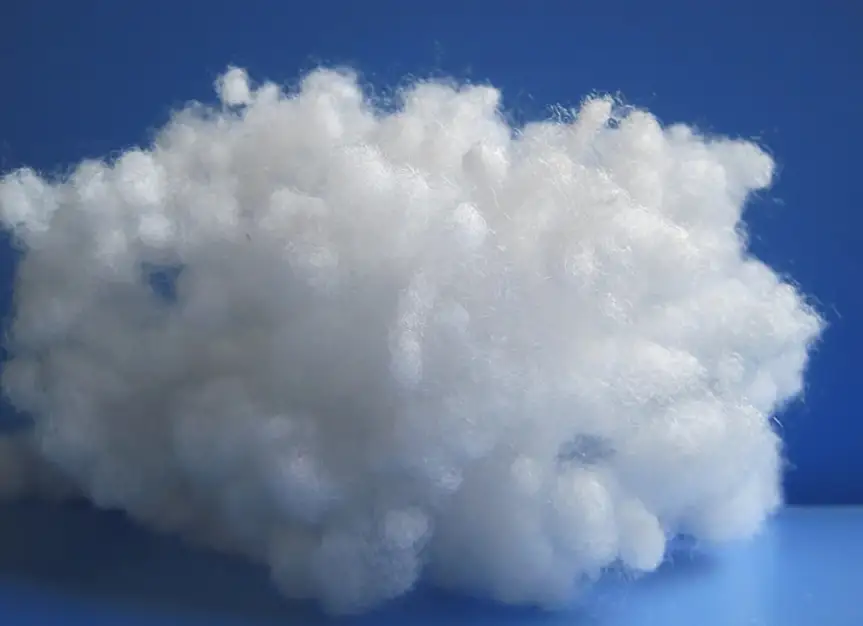
Polyester fiberfill remains the dominant filling material because it is hypoallergenic, machine-washable, and holds shape after repeated laundering — an important consideration since educational plush toys are handled more frequently than display plush and require regular cleaning. Some premium lines use recycled polyester fiberfill sourced from post-consumer plastic bottles, which performs identically to virgin fiberfill in terms of loft and washability.
Safety Testing and Certifications
Educational plush toys sold internationally must typically satisfy several overlapping regulatory frameworks depending on the destination market: mechanical and physical safety (small parts, seam strength, fiber content), flammability, and chemical safety (phthalates, heavy metals, azo dyes). Products with electronic components require additional testing for battery safety and electromagnetic compliance, and toys intended for children under three face the strictest small-parts scrutiny of any age category.
Testing for educational plush also typically includes tension and torque testing on any attached functional component — buttons, zipper pulls, lacing beads, sewn-on shapes — to confirm they cannot be pulled free with the force a child is realistically capable of applying. This is a meaningful difference from standard plush safety testing, which focuses primarily on eyes, noses, and decorative trims rather than functional learning features. Seam strength testing is also weighted more heavily for educational plush, since these toys are subject to more pulling, twisting, and repeated grip pressure than a toy intended mainly for cuddling or display.
| Standard | Region | Primary Scope |
|---|---|---|
| EN71 (Parts 1–3, 9–11) | European Union | Mechanical, flammability, chemical migration |
| ASTM F963 | United States | Mechanical, small parts, sharp edges, chemical limits |
| CPSIA | United States | Lead content, phthalates, tracking labels |
| ISO 8124 | International | Mechanical/physical and flammability properties |
| AS/NZS ISO 8124 | Australia/New Zealand | Mechanical, chemical, and flammability compliance |
How Are Educational Plush Toys Designed and Manufactured?
The production pathway for educational plush differs from standard plush toy manufacturing primarily in the design phase, where a learning objective must be translated into a physical, testable feature before any pattern-making begins. This means product development for educational plush typically involves a longer design cycle than character-driven plush, since each functional feature has to be validated for both learning value and physical durability.
Concept and Learning Objective Design
Development typically starts with a defined skill target — for example, “supports counting to ten” — which is then mapped to specific physical features: ten removable felt buttons, ten embroidered dots, or ten pockets. This step is closer to instructional design than traditional toy design, often involving input from early-childhood education consultants who review whether the proposed feature genuinely reinforces the intended skill or simply resembles an educational toy without functioning as one.
Prototyping and Sampling
Once the concept is defined, digital pattern making converts the design into cuttable fabric pieces, and physical samples are produced to test both huggability and functional durability — buttons must withstand repeated fastening, zippers must not catch fabric, and embedded sound modules must survive drop and wash testing. Sample rounds often go through several iterations before a design is approved, particularly for toys with moving or interactive parts.
Sampling for educational plush also frequently involves informal user testing with children in the target age range, since a feature that seems intuitive to an adult designer does not always function the way a two-year-old actually grips, pulls, or manipulates it. Feedback from this stage often leads to adjustments in feature size, placement, or resistance — for example, enlarging a button or loosening a zipper pull so it is easier for smaller hands to operate independently, which supports the broader goal of self-directed play rather than adult-assisted interaction.
Production Process
Full-scale production follows standard plush toy manufacturing steps — fabric cutting, sewing, stuffing, embroidery or screen printing, quality inspection, and packaging — with additional inspection checkpoints for any functional or electronic elements unique to the educational features. Quality control at this stage typically includes pull tests on all attached components, since a loose button or bead on an educational plush toy represents both a safety hazard and a functional failure of the learning feature it was meant to support.
Why Do Educational Plush Toys Matter in Classroom and Therapy Settings?
Beyond the home environment, educational plush toys occupy an increasingly important role in structured settings where trained professionals use play deliberately to achieve specific outcomes.
Early Childhood Classrooms
Preschool and kindergarten teachers frequently use educational plush toys as calm-down corner tools, circle-time props for counting and naming exercises, and turn-taking objects that model sharing behavior. A single well-designed alphabet or counting plush toy can support a full lesson plan on its own, giving teachers a reusable, low-cost supplement to printed classroom materials.

Speech, Occupational, and Behavioral Therapy
Licensed therapists use educational plush toys across several specialties: speech-language pathologists use vocabulary-focused plush to encourage verbal labeling, occupational therapists use textured sensory plush to build tactile tolerance, and behavioral therapists use emotion-expression plush to teach recognition and regulation of feelings. Because these settings involve repeated professional use across many children, therapy-grade educational plush is generally expected to meet a higher durability and washability standard than typical retail plush.
Gifting and Institutional Buying
Educational plush toys are also a common category for corporate gifting, hospital newborn programs, and school fundraising initiatives, where bulk buyers prioritize consistent quality, safety documentation, and the ability to customize designs or embroidery at scale. Institutional buyers in particular tend to request batch-level test reports rather than a single sample certificate, since a hospital or school district purchasing several thousand units needs assurance that safety performance is consistent across the full production run, not just the pre-production sample.
Nonprofit and literacy-focused organizations also use educational plush as a distribution item in book-gifting or early-literacy outreach programs, often pairing a plush toy with a matching picture book so that the physical toy reinforces vocabulary or characters introduced in the story. This pairing strategy is increasingly common in pediatric waiting rooms and library reading programs, where the goal is to extend a single reading session into repeated, independent play at home.
How Should Parents and Educators Choose Educational Plush Toys?
Choosing the right educational plush toy involves matching the toy’s design intent to the child’s current developmental stage, rather than selecting based on character appeal alone.
Age Appropriateness
Small, detachable components such as buttons or beads are inappropriate for children under three due to choking hazard risk, regardless of the toy’s educational value. Age grading on packaging should always be checked against the presence of small parts, not just the marketed learning content, since a toy can be labeled “educational” while still carrying an age restriction that supersedes the marketing claim.
Learning Goals Alignment
Buyers should identify the specific skill they want reinforced — vocabulary, emotional regulation, fine motor coordination — and select a plush toy whose primary feature set matches that goal, rather than a toy with many unrelated features that dilute the learning focus. A toy trying to teach five different skills at once often teaches none of them particularly well.
Durability and Washability
Because educational plush toys are handled far more frequently than display plush, machine-washability and reinforced stitching at stress points (seams, attached features) are important durability indicators, particularly for classroom or daycare use where the same toy is handled by multiple children throughout the week.
| Age Group | Recommended Features | Features to Avoid |
|---|---|---|
| Under 12 months | Soft textures, high-contrast visuals, no small parts | Buttons, beads, ribbon under 30cm |
| 1–2 years | Simple squeakers, oversized safe shapes | Detachable small components |
| 2–4 years | Zippers, large buttons, embroidered letters | Loose small parts, brittle plastic eyes |
| 4–6 years | Lacing cards, counting features, storybook plush | Overly fragile electronic modules |
What Trends Are Shaping the Educational Plush Toy Market?
The educational plush category continues to evolve alongside broader shifts in sustainability expectations, technology integration, and demand for personalization, all of which are reshaping how new products are developed and marketed.
Sustainable Materials
Organic cotton, recycled polyester fiberfill, and non-toxic, water-based dyes are increasingly requested by buyers who want educational plush toys to align with broader environmental values, particularly in markets with strong eco-conscious consumer bases. Packaging is also shifting toward recyclable or plastic-reduced formats to match this expectation across the full product lifecycle.
Multi-Sensory and Technology Integration
Newer product development increasingly blends tactile, auditory, and visual learning cues within a single plush toy — for example, pairing a textured fabric panel with a companion sound module that names the texture aloud, reinforcing vocabulary through multiple sensory channels simultaneously. This multi-sensory approach reflects a broader trend in early-childhood education research favoring layered, cross-modal learning experiences over single-input toys.

Personalization
Custom embroidery of a child’s name, personalized color-matching, and made-to-order character designs are increasingly common in the educational plush segment, particularly for gifting occasions and school fundraising programs, where a personalized toy is seen as both a keepsake and a learning tool. Some programs extend personalization further by embroidering a child’s own vocabulary milestones or favorite words onto a plush toy, turning it into a running record of the child’s language development over time rather than a static product.
Therapy-Oriented and Clinical-Grade Plush
A related trend is the rise of therapy-oriented educational plush built specifically for clinical or classroom settings, where a single toy is used with dozens of different children over its lifespan. These products are typically engineered to a higher durability and hygiene standard than consumer retail plush, with fully machine-washable construction, chlorine-safe fabrics for clinical sanitizing protocols, and reinforced seams designed to withstand years of shared, repeated use rather than the lighter handling expected of a single child’s personal toy.
| Trend | Driver | Market Impact |
|---|---|---|
| Sustainable materials | Consumer environmental awareness | Growing demand for organic/recycled inputs |
| Multi-sensory design | Educational research on layered learning | Higher perceived learning value per unit |
| Personalization | Gifting and school program demand | Increased small-batch and made-to-order production |
| Therapy-oriented plush | Growth of early-intervention programs | New niche demand from clinical and school buyers |
| Digital companion integration | Rising comfort with connected learning tools | Emerging category with added compliance complexity |
Frequently Asked Questions
What age is appropriate for a child’s first educational plush toy?
Most early-childhood specialists suggest introducing simple sensory plush toys from birth, since high-contrast patterns and soft textures support visual and tactile development even before a baby can grasp objects intentionally. More feature-rich educational plush — those with buttons, zippers, or small embroidered details — are generally appropriate from around age two, once fine motor coordination and reduced mouthing behavior make small features safer to interact with. Parents should always cross-check a product’s stated age grading against the presence of any small or detachable parts before purchase.
Are educational plush toys safe for children with sensory sensitivities?
Many educational plush toys are specifically designed with sensory sensitivities in mind, using varied but gentle textures, muted color palettes, and hypoallergenic filling materials such as polyester fiberfill. However, sensitivity levels vary significantly between children, so it is advisable to introduce new textures gradually and choose toys with tagless or flat-seam construction if a child has known tactile aversions. Occupational therapists can often recommend specific texture progressions suited to an individual child’s needs.
How often should educational plush toys be washed?
Because educational plush toys are handled more frequently than decorative stuffed animals, they typically require washing every one to two weeks under normal home use, or more often in classroom or daycare settings where multiple children share the toy. Always check the manufacturer’s care label, since embedded electronic components such as sound modules usually require spot cleaning rather than full machine washing, and vigorous machine cycles can weaken glued-on features over time.
What is the difference between an educational plush toy and a regular plush toy?
A regular plush toy is designed primarily for comfort and character appeal, while an educational plush toy is engineered around a specific developmental or learning objective — such as fine motor skill practice, early literacy, or emotional expression — with physical features deliberately chosen to support that goal. The distinction lies in intentional design rather than simply added decoration, and it also affects how the toy is tested, since functional features must be validated for durability in addition to standard safety checks.
Do educational plush toys need special safety certifications?
Yes. Educational plush toys sold in most markets must comply with the same core toy safety frameworks as standard plush toys, such as EN71 in the European Union or ASTM F963 in the United States, covering mechanical safety, flammability, and chemical content. Toys with interactive elements like buttons, zippers, or embedded electronics often require additional testing for small-part durability and, where applicable, battery compartment safety, since these features introduce failure points that standard plush toys do not have.
Can educational plush toys help with speech and language development?
Educational plush toys can support speech and language development indirectly by encouraging naming, labeling, and storytelling during play, and directly when they include features such as embroidered vocabulary words or sound modules that reinforce spoken language. Many speech-language professionals incorporate plush toys into therapy sessions specifically because the low-pressure, play-based format encourages verbal engagement from children who may be reluctant to speak in more formal, adult-directed settings.
Final Thoughts
Educational plush toys occupy a distinct space between comfort objects and structured learning tools, and their design value comes from intentional engineering rather than incidental features. Selecting or developing an effective educational plush toy starts with a clear learning objective, followed by material and safety choices appropriate to the target age group, and finally a manufacturing process capable of sustaining the repeated handling these toys receive. Whether used at home, in a classroom, or as part of a therapy program, the most effective educational plush toys share a common trait: every feature earns its place by supporting a specific, well-defined developmental goal.
As the category continues to mature, the products that stand out are rarely the ones with the longest feature list, but the ones where design, materials, and safety testing were all built around a single, coherent learning story from the earliest concept stage onward. For parents and educators, that means favoring focus over novelty. For designers and manufacturers, it means treating the learning objective as a design constraint from day one, not an afterthought added to a finished plush toy. When these elements align, an educational plush toy becomes both a lasting comfort object and a genuinely effective early-learning tool — one that a child returns to not because it is new, but because it keeps teaching them something every time they pick it up.